
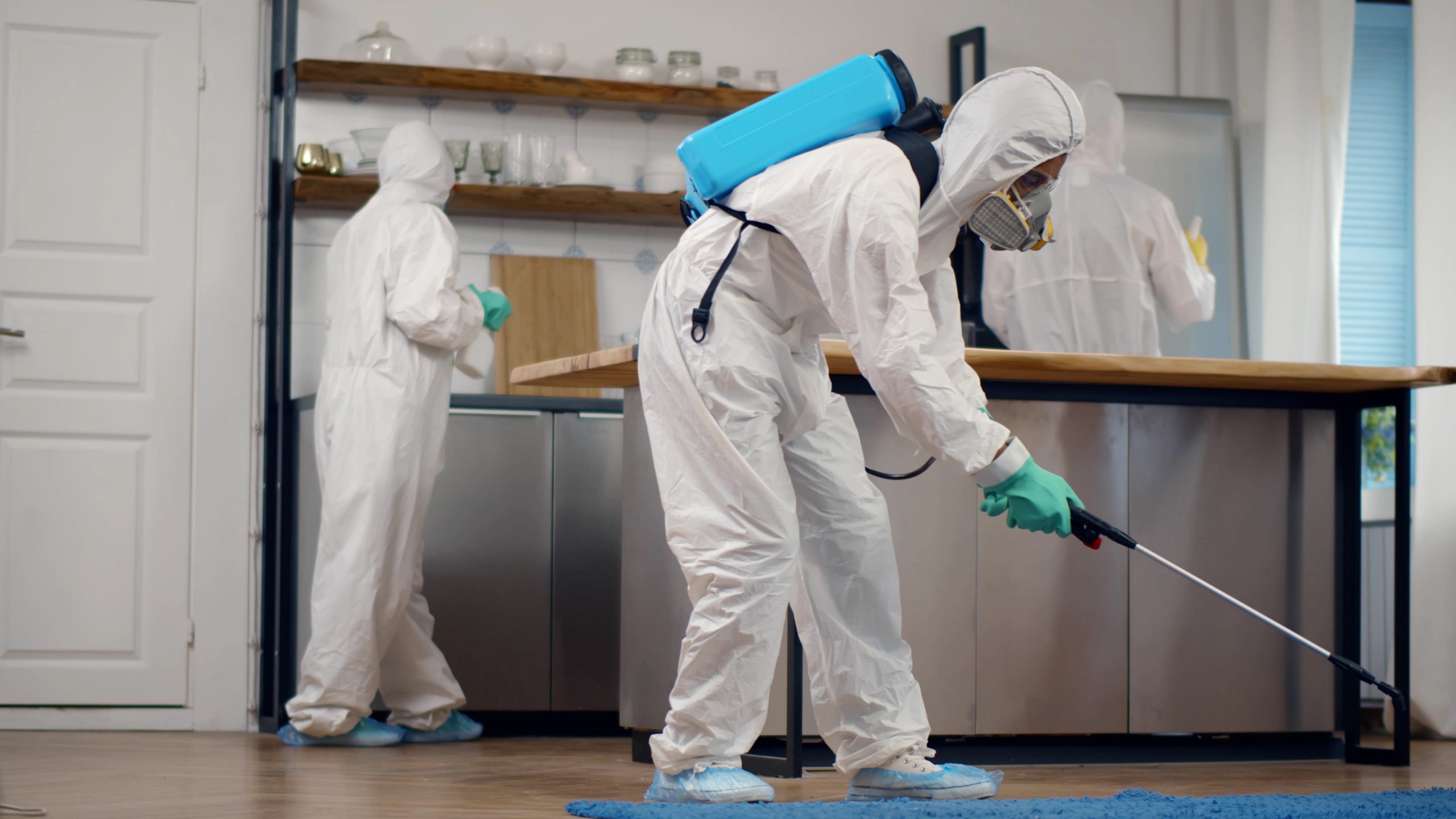
Introduction to Home Pest Control
Maintaining a pest-free home is one of the most important responsibilities of homeownership. A well-maintained property not only ensures your family's comfort and health but also prevents costly infestations that can drain your budget. Understanding basic pest control can save you thousands of dollars over time and help you identify problems before they become major disasters.
Many homeowners underestimate the importance of regular pest prevention until they face a full-blown infestation, property damage, or health concerns. By following these essential pest control tips, you can protect your home, improve your family's health, and maintain a safe, comfortable living environment.
Seal Entry Points
One of the most critical pest control tips every homeowner should know is how to seal entry points. Pests enter your home through cracks, gaps, and openings, so identifying and sealing these areas is essential for prevention. Common entry points include gaps around windows and doors, cracks in foundation, openings around pipes and utility lines, and damaged screens.
To locate entry points, inspect your home's exterior thoroughly, paying special attention to areas where different materials meet. Use caulk, weatherstripping, or steel wool to seal gaps. If you need help identifying or sealing entry points, don't hesitate to call a professional pest control expert at +18447881081 for assistance.
How to Seal Entry Points
Use appropriate materials for different types of openings:
- Caulk for small cracks and gaps
- Weatherstripping for doors and windows
- Steel wool for larger gaps (pests can't chew through it)
- Mesh screens for vents and larger openings
Keep the exterior of your home well-maintained and seal any new cracks or gaps as they appear.
Regular Inspection and Monitoring
Pest infestations are among the most common and costly problems homeowners face. Even small pest problems can multiply rapidly and lead to significant damage over time. Regular inspection and monitoring should be part of your monthly home maintenance routine.
Common Signs of Pest Activity
Watch for these warning signs that indicate you may have a pest problem:
- Droppings or feces in cabinets, drawers, or corners
- Gnaw marks on wood, wires, or food packaging
- Nests or nesting materials in attics, basements, or crawl spaces
- Unusual odors, especially musty or urine-like smells
- Visible pests during daylight hours
- Damaged plants or landscaping
If you suspect a pest problem but can't locate the source, contact a professional exterminator immediately. Early detection can prevent extensive damage and costly treatments. Our experienced team at +18447881081 uses advanced inspection techniques to find and eliminate pests quickly.
Kitchen and Food Storage
Kitchens are particularly attractive to pests due to food availability. Proper food storage and kitchen maintenance can prevent most pest problems in this area.
Kitchen Pest Prevention
Keep your kitchen clean and pest-free by:
- Storing food in airtight containers
- Cleaning up spills and crumbs immediately
- Taking out trash regularly
- Wiping down counters and surfaces daily
- Fixing leaky faucets and pipes
- Keeping pet food in sealed containers
Pantry Maintenance
Regularly inspect your pantry for signs of pests like weevils, moths, or ants. Rotate food items and discard expired products. Store grains, cereals, and other dry goods in sealed containers to prevent pest access.
For persistent kitchen pest problems, professional pest control services can effectively eliminate infestations and provide ongoing prevention strategies.
Moisture Control
Excess moisture attracts many pests and creates ideal conditions for infestations. Proper moisture control is essential for effective pest prevention.
Identifying Moisture Problems
Check for moisture issues in:
- Basements and crawl spaces
- Under sinks and around pipes and utility lines
- Attics and roof areas
- Bathrooms and laundry areas
- Around air conditioning units
Reducing Moisture
Fix leaky pipes and faucets promptly. Use dehumidifiers in damp areas. Ensure proper ventilation in bathrooms and kitchens. Repair roof leaks and foundation cracks. Keep gutters clean and properly directed away from your foundation.
Our professional pest control technicians can identify moisture problems and recommend solutions to prevent pest attraction.
Yard and Landscaping Maintenance
Your yard and landscaping can either attract or repel pests. Proper maintenance creates a barrier that helps keep pests away from your home.
Yard Pest Prevention
Maintain your yard to prevent pest problems:
- Keep grass trimmed and remove debris
- Trim bushes and trees away from your home
- Remove standing water sources
- Store firewood away from your home
- Keep garbage cans sealed and away from the house
- Remove fallen fruit and vegetables promptly
Landscaping Tips
Choose pest-resistant plants when possible. Avoid overwatering, which can create moist conditions that attract pests. Use mulch sparingly and keep it away from your foundation. Regularly inspect plants for signs of pest damage.
Storage and Clutter Management
Clutter and improper storage provide hiding places and nesting sites for pests. Keeping your home organized and clutter-free is essential for pest prevention.
Storage Best Practices
Store items in sealed containers rather than cardboard boxes. Keep storage areas clean and organized. Regularly inspect stored items for signs of pests. Use plastic storage bins instead of cardboard boxes when possible.
Clutter Reduction
Regularly declutter your home, especially basements, attics, and garages. Remove items you no longer need. Keep storage areas well-organized and accessible for inspection. Don't let clutter accumulate in corners or hidden areas.
When to Call a Professional
While many minor pest prevention tasks can be handled by homeowners, some situations require professional expertise. If you're dealing with active infestations, dangerous pests, or persistent problems, it's best to call a licensed exterminator. Learn more about when to call a professional pest control expert for expert guidance.
Our team of experienced, licensed exterminators is ready to help with all your pest control needs. Whether you need routine prevention, emergency treatments, or professional advice, call us at +18447881081 for reliable, professional service.
Seasonal Pest Prevention
Different seasons bring different pest challenges. Understanding seasonal pest patterns helps you prepare and prevent problems before they occur.
Spring Pest Prevention
Spring is when many pests become active. Inspect your home for winter damage and seal entry points. Clean up winter debris from your yard. Begin regular pest monitoring and prevention measures.
Summer Pest Control
Summer brings increased pest activity. Maintain your yard regularly. Keep food and garbage properly stored. Monitor for signs of increased pest activity and address problems promptly.
Fall Pest Prevention
Fall is when pests seek shelter for winter. Seal entry points thoroughly. Remove yard debris that could provide shelter. Inspect your home's exterior for gaps and cracks.
Winter Pest Control
Even in winter, pests can be active indoors. Maintain cleanliness and proper storage. Monitor for signs of indoor pest activity. Address any moisture problems that could attract pests.
Conclusion
Regular pest prevention is an investment in your home's value and your family's health. By following these essential tips, you can prevent most pest problems and catch issues early before they become expensive infestations. Remember, when in doubt, don't hesitate to call a professional exterminator for assistance.
For professional pest control services, prevention plans, or emergency treatments, contact our expert team at +18447881081. We're committed to keeping your home pest-free and your family safe.